Solar panels in Alaska: cost, payback and the rules that matter
Alaska homes pay 27.1¢ per kWh for electricity, the 8th highest of 51, up 5.0% in a year. A typical home needs 19 panels. With no federal tax credit they pay for themselves in about 17.6 yrs.
Four facts that decide solar in Alaska
1. The sun. One kilowatt of panels makes about 948 kWh a year in Anchorage. Other towns differ a little; the planner works it out for any address.
2. The price of electricity. Every kWh your panels make is worth what you would otherwise pay: 27.1¢ in Alaska today.
3. What your utility pays for exports. Illustrative: monthly netting; excess credited at about 6.8¢/kWh. Based on summaries of Chugach Electric rules (confidence: low); not yet checked against the tariff itself. Other utilities, co-ops and municipal utilities differ; check yours. Last reviewed September 2026. Source.
4. Incentives. The 30% federal homeowner credit (§25D) ended for systems installed after December 31, 2025. Alaska has no state income or sales tax and no statewide solar rebate. The main benefit is optional local property-tax relief, such as the Fairbanks North Star Borough exemption for the added value of a residential solar system. Excess generation is credited at utilities' low non-firm/avoided-cost rates. Every program, with sources.
Alaska's homes
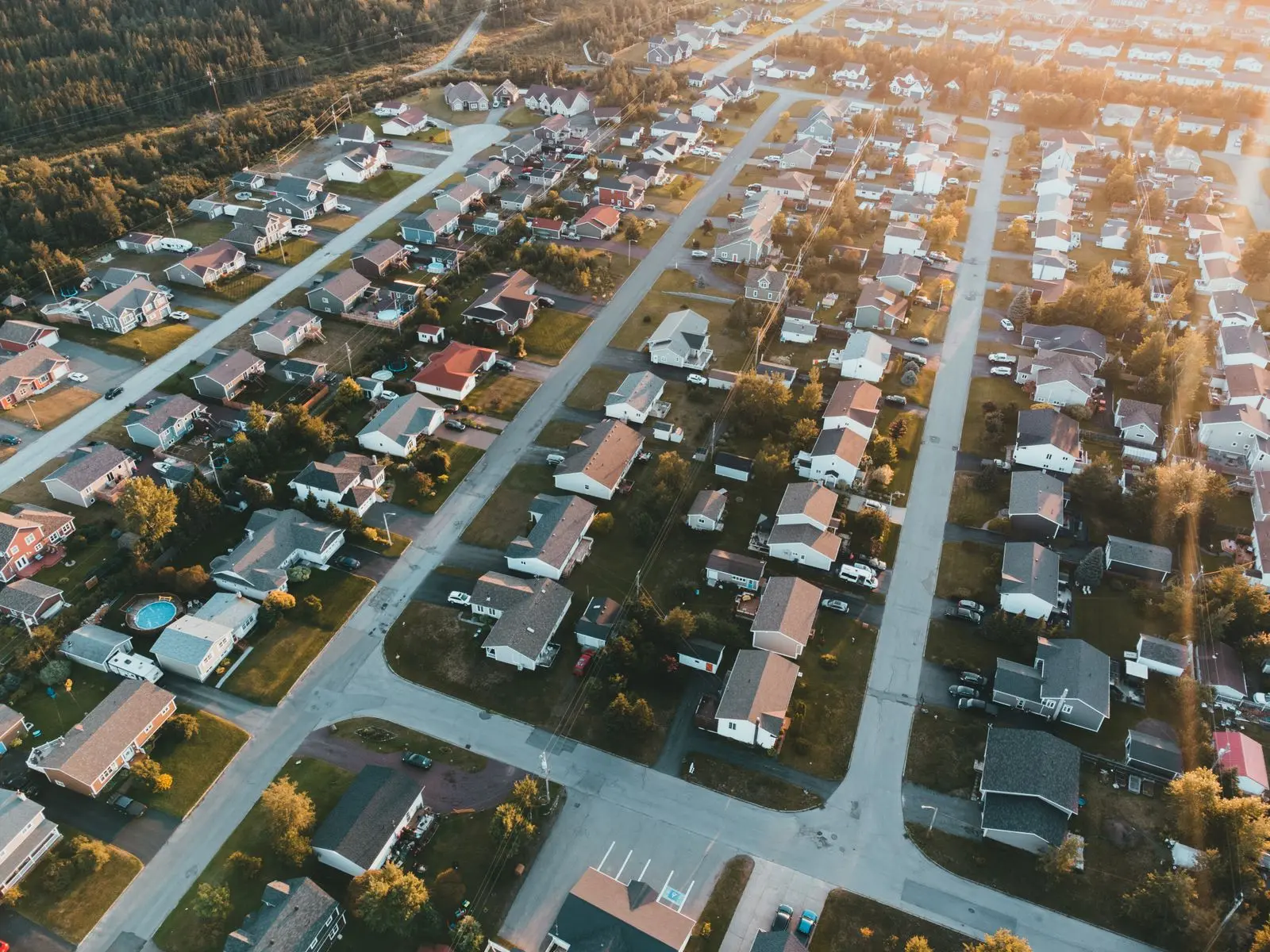
270,533 households; 66.8% own their home. 160,202 owner-occupied single-family houses: the main market for rooftop solar. The median home was built in 1986; 14.3% heat with electricity.
ACS 2020–2024 5-year estimates, U.S. Census Bureau.
Plan a specific Alaska home
Alaska solar incentives in 2026
What ended: Federal 30% Residential Clean Energy Credit (§25D), for homeowner-owned systems installed after December 31, 2025 (IRS). Also ended: EPA Solar for All — Alaska Energy Authority and Tanana Chiefs Conference awards (terminated by EPA in 2025; no restart confirmed) (2025); GVEA SNAP Producer program (closed to new applicants) (2025).
What remains: Alaska has no state income or sales tax and no statewide solar rebate. The main benefit is optional local property-tax relief, such as the Fairbanks North Star Borough exemption for the added value of a residential solar system. Excess generation is credited at utilities' low non-firm/avoided-cost rates.
Selling solar back: Under RCA net-metering rules (3 AAC 50.900+), utilities like Chugach credit excess kWh at their non-firm buyback power rate (Tariff Sheet 97), not retail. Source.
Only fixed upfront rebates and state tax credits for systems you own go into the payback figures on this page and the city pages. Checked against primary sources on 2026-10-05.
From utilities and cities
- Fairbanks North Star Borough residential renewable energy system property tax exemptionProperty tax
The increase in assessed value from installing a residential solar system is exempt from borough property tax
From the source: “As permitted by state law, any increase in assessed value due to the installation ... windmills and water and solar energy devices.”
Residential system primarily intended to offset on-site energy use; written application on the Assessor's form, filed before February 15 of the tax year.
Fairbanks North Star Borough Assessor · Source, checked Oct 5, 2026
Solar in Anchorage, Alaska’s largest city
| City | Main utility | Price ¢/kWh | kWh per kW | Typical kW | Likely payback | Payback (NM) | Payback (NB) |
|---|---|---|---|---|---|---|---|
| Anchorage | Chugach Electric | 23.2 | 948 | 8.0 | 17.6 yrs | 14.3 yrs | 23.1 yrs |
Main utility = the one serving most of the city (EIA-861 ZIP data and federal territory maps); price is its 2024 residential average adjusted to July 2026. Likely payback uses that utility's export rule where we have read it, otherwise the Alaska assumption. NM = exports credited at retail (net metering); NB = exports at ~30% of retail (net billing). Systems sized to the Alaska average home. $3.00/W, cash, 25 years, incentives we can count included.
Rule changes that affect Alaska
All changes and deadlines →- Federal: In-service deadline for the lease/PPA solar credit · Tax credits
- Federal: National data: solar prices fell to a median $3.60 per watt · Prices
- Federal: Construction-start deadline passed for the lease/PPA credit · Tax credits
- Federal: The 30% homeowner solar tax credit is gone · Tax credits
Questions about solar in Alaska
How much do solar panels cost in Alaska?
An 8.0 kW system, the size the average Alaska home needs, costs about $20,000 to $30,000 before incentives in 2026.
Is solar worth it in Alaska?
In the median Alaska city, solar pays for itself in about 17.6 yrs under our illustrative statewide export-credit assumption (monthly netting; excess credited at about 6.8¢/kwh). With full retail net metering it would be about 14.3 yrs; with exports at about 30% of retail, 23.1 yrs. Your utility's tariff decides where you land.
Is there a solar tax credit in Alaska?
We know of no statewide income-tax credit for home solar in Alaska. The 30% federal credit ended for homeowner systems installed after December 31, 2025.
Are there solar rebates in Alaska?
Alaska has no state income or sales tax and no statewide solar rebate. The main benefit is optional local property-tax relief, such as the Fairbanks North Star Borough exemption for the added value of a residential solar system. Excess generation is credited at utilities' low non-firm/avoided-cost rates. Some utilities and cities add their own: Fairbanks North Star Borough residential renewable energy system property tax exemption. Checked 2026-10-05 against primary sources.
Which utility do I have in Alaska?
It depends on the city. In the cities we cover, the main utilities are Chugach Electric. Your utility sets your price and what exported solar earns, so check the name on your bill and open your city's page.
How many solar panels does a Alaska home need?
About 19 panels of 420 watts for the state-average 578 kWh a month. In Anchorage, 1 kW of panels makes about 948 kWh a year.