Solar panels in North Carolina: cost, payback and the rules that matter
North Carolina homes pay 14.9¢ per kWh for electricity, the 35th highest of 51, up 9.0% in a year. A typical home needs 21 panels. With no federal tax credit they pay for themselves in about 22.6 yrs.
Four facts that decide solar in North Carolina
1. The sun. One kilowatt of panels makes about 1,413 kWh a year in the median North Carolina city, from 1,383 in Asheville to 1,462 in Jacksonville.
2. The price of electricity. Every kWh your panels make is worth what you would otherwise pay: 14.9¢ in North Carolina today.
3. What your utility pays for exports. Duke Energy Carolinas: new customers get a Net Metering Bridge or time-of-use rider with exports at avoided cost. Source
4. Incentives. The 30% federal Residential Clean Energy Credit (IRC §25D) ended for systems whose installation is completed after December 31, 2025 (One Big Beautiful Bill Act, P.L. We don't know of a statewide income-tax credit for home solar in North Carolina.
North Carolina's homes
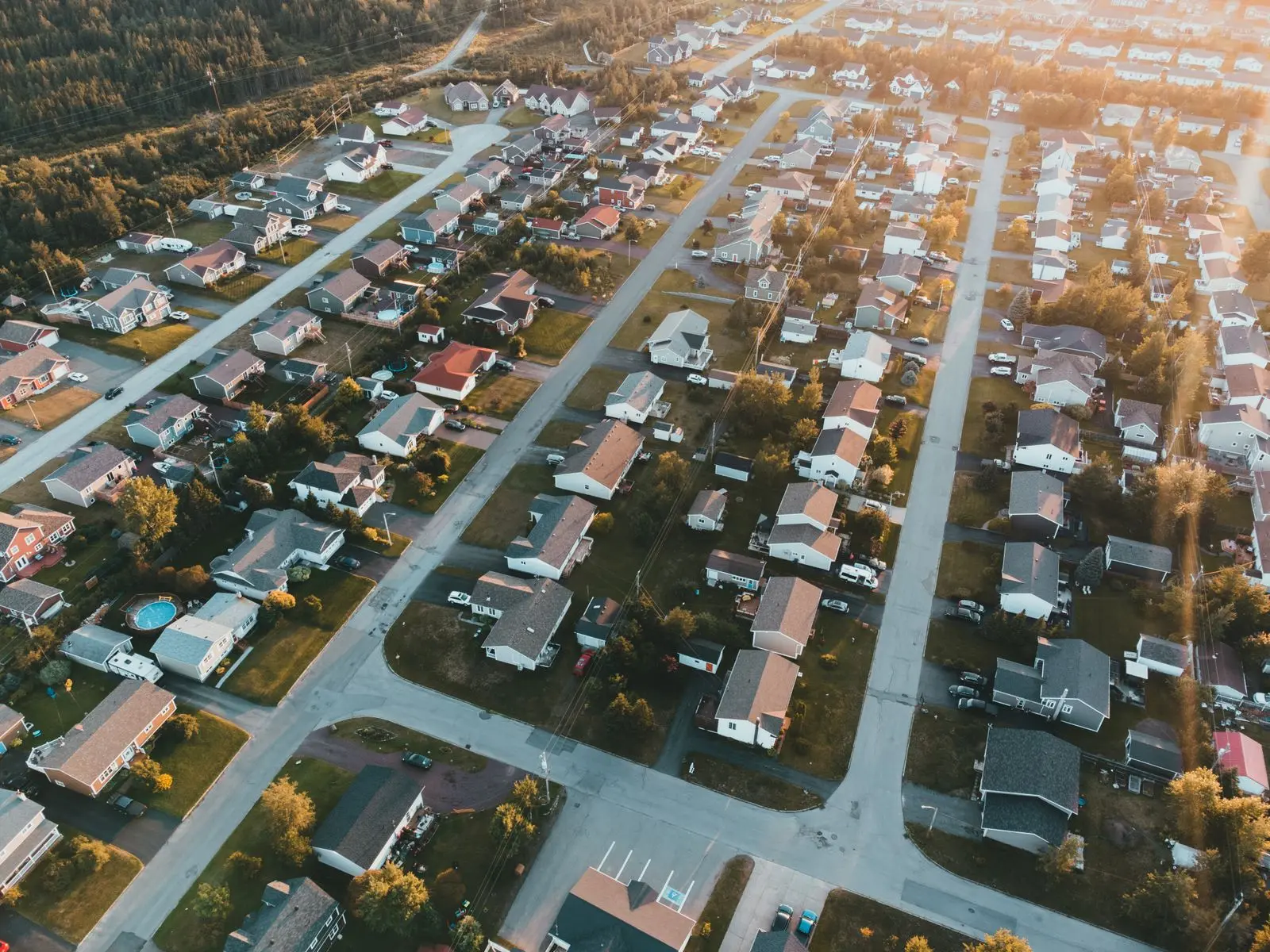
4,282,345 households; 66.6% own their home. 2,510,691 owner-occupied single-family houses: the main market for rooftop solar. The median home was built in 1991; 65.5% heat with electricity.
ACS 2020–2024 5-year estimates, U.S. Census Bureau.
Plan a specific North Carolina home
Solar in every North Carolina city with 50,000+ people
| City | Sun hrs/day | kWh per kW | Best tilt | Typical kW | Payback (NM) | Payback (NB) | Solar ¢/kWh |
|---|---|---|---|---|---|---|---|
| Charlotte | 5.1 | 1,417 | 34° | 8.8 | 14.0 yrs | 22.5 yrs | 11.0 |
| Raleigh | 5.1 | 1,415 | 34° | 8.8 | 14.0 yrs | 22.6 yrs | 11.0 |
| Greensboro | 5.0 | 1,394 | 34° | 9.2 | 14.2 yrs | 23.2 yrs | 11.2 |
| Durham | 5.0 | 1,404 | 34° | 8.8 | 14.1 yrs | 22.7 yrs | 11.1 |
| Winston-Salem | 5.0 | 1,397 | 35° | 8.8 | 14.2 yrs | 22.8 yrs | 11.1 |
| Fayetteville | 5.1 | 1,426 | 34° | 8.8 | 13.9 yrs | 22.5 yrs | 10.9 |
| Cary | 5.1 | 1,413 | 34° | 8.8 | 14.1 yrs | 22.6 yrs | 11.0 |
| Wilmington | 5.1 | 1,454 | 31° | 8.8 | 13.6 yrs | 22.3 yrs | 10.6 |
| High Point | 5.0 | 1,398 | 34° | 8.8 | 14.2 yrs | 22.8 yrs | 11.1 |
| Concord | 5.1 | 1,417 | 34° | 8.8 | 14.0 yrs | 22.6 yrs | 11.0 |
| Greenville | 5.1 | 1,423 | 34° | 8.8 | 13.9 yrs | 22.6 yrs | 10.9 |
| Asheville | 5.0 | 1,383 | 34° | 9.2 | 14.3 yrs | 23.2 yrs | 11.2 |
| Gastonia | 5.1 | 1,412 | 34° | 8.8 | 14.1 yrs | 22.6 yrs | 11.0 |
| Apex | 5.1 | 1,414 | 34° | 8.8 | 14.0 yrs | 22.6 yrs | 11.0 |
| Jacksonville | 5.1 | 1,462 | 32° | 8.4 | 13.6 yrs | 21.9 yrs | 10.6 |
| Huntersville | 5.1 | 1,415 | 34° | 8.8 | 14.0 yrs | 22.6 yrs | 11.0 |
| Chapel Hill | 5.0 | 1,403 | 34° | 8.8 | 14.1 yrs | 22.7 yrs | 11.1 |
| Kannapolis | 5.1 | 1,416 | 34° | 8.8 | 14.0 yrs | 22.6 yrs | 11.0 |
| Burlington | 5.0 | 1,393 | 34° | 9.2 | 14.3 yrs | 23.2 yrs | 11.2 |
| Wake Forest | 5.1 | 1,412 | 34° | 8.8 | 14.1 yrs | 22.7 yrs | 11.0 |
| Mooresville | 5.1 | 1,411 | 34° | 8.8 | 14.1 yrs | 22.6 yrs | 11.0 |
| Rocky Mount | 5.0 | 1,411 | 34° | 8.8 | 14.1 yrs | 22.7 yrs | 11.0 |
| Holly Springs | 5.1 | 1,417 | 34° | 8.8 | 14.0 yrs | 22.6 yrs | 11.0 |
NM = exports credited at retail (net metering); NB = exports at ~30% of retail (net billing). Systems sized to the North Carolina average home. $3.00/W, cash, 25 years.
Rule changes that affect North Carolina
All changes and deadlines →- Federal: In-service deadline for the lease/PPA solar credit · Tax credits
- North Carolina: Duke Energy’s legacy net-metering rider ends in North Carolina · Export rules
- Federal: National data: solar prices fell to a median $3.60 per watt · Prices
- Federal: Construction-start deadline passed for the lease/PPA credit · Tax credits
- Federal: The 30% homeowner solar tax credit is gone · Tax credits
Questions about solar in North Carolina
How much do solar panels cost in North Carolina?
A 8.8 kW system, the size the average North Carolina home needs, costs about $22,000 to $33,000 before incentives in 2026.
Is solar worth it in North Carolina?
In the median North Carolina city, solar pays for itself in about 14.1 yrs if exported power earns the retail rate, or 22.6 yrs if it earns about 30% of retail. Duke Energy Carolinas: new customers get a Net Metering Bridge or time-of-use rider with exports at avoided cost.
Is there a solar tax credit in North Carolina?
We know of no statewide income-tax credit for home solar in North Carolina; utilities and cities sometimes offer rebates. The 30% federal credit ended for homeowner systems installed after December 31, 2025.
How many solar panels does a North Carolina home need?
About 21 panels of 420 watts for the state-average 1,015 kWh a month. Sunnier cities need fewer: Jacksonville gets 1,462 kWh per kW a year, Asheville 1,383.