Solar panels in Tennessee: cost, payback and the rules that matter
Tennessee homes pay 13.9¢ per kWh for electricity, the 43rd highest of 51, up 4.9% in a year. A typical home needs 25 panels. Without the federal credit, payback runs past 25 years for most homes.
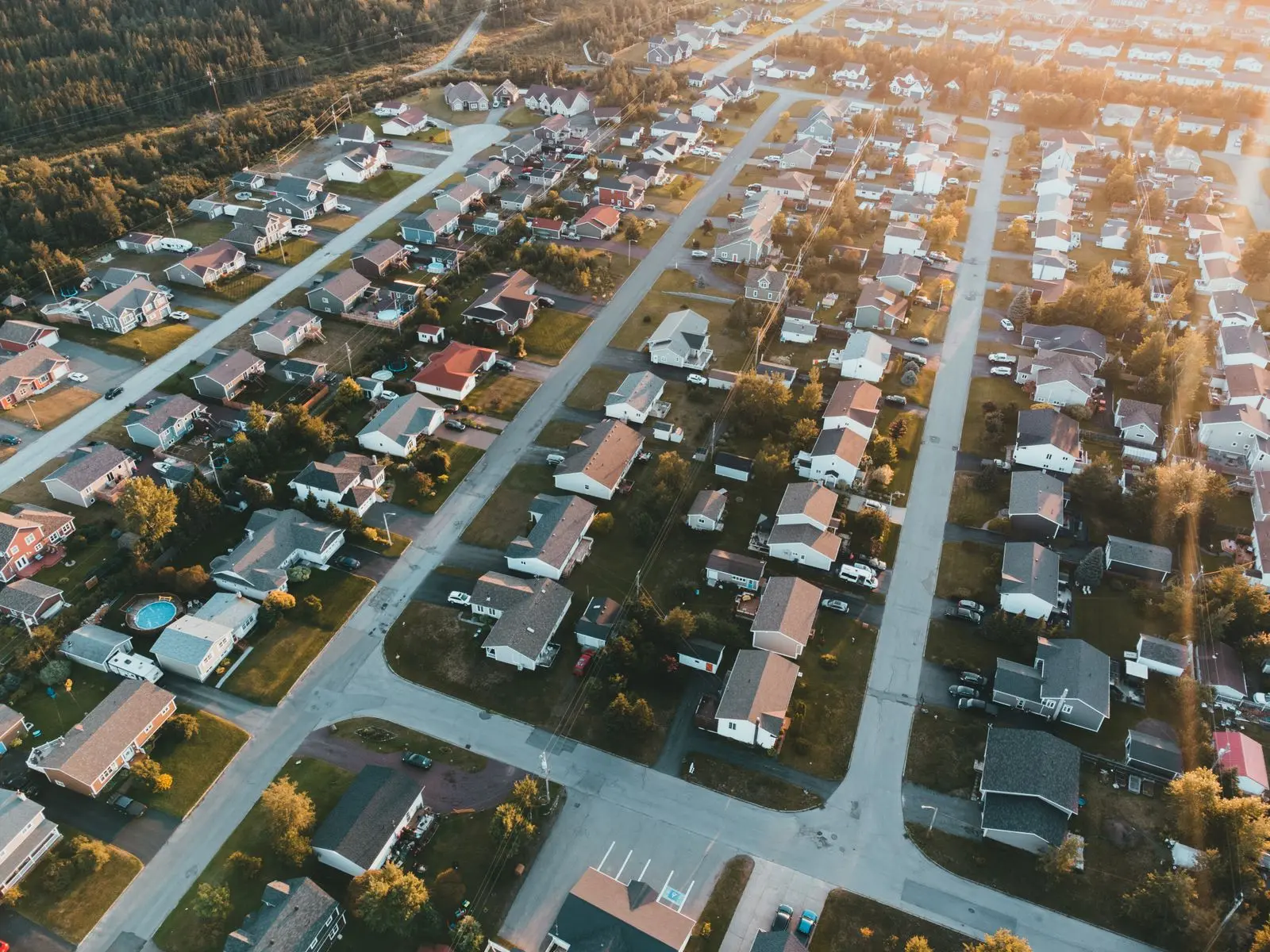
Four facts that decide solar in Tennessee
1. The sun. One kilowatt of panels makes about 1,342 kWh a year in the median Tennessee city, from 1,326 in Clarksville to 1,401 in Memphis.
2. The price of electricity. Every kWh your panels make is worth what you would otherwise pay: 13.9¢ in Tennessee today.
3. What your utility pays for exports. Illustrative: no net metering; TVA’s Dispersed Power Production program buys exports at about 3.4¢/kWh (some programs pay nothing). Based on summaries of TVA and local power companies rules (confidence: medium); not yet checked against the tariff itself. Other utilities, co-ops and municipal utilities differ; check yours. Last reviewed September 2026. Source.
4. Incentives. The 30% federal homeowner credit (§25D) ended for systems installed after December 31, 2025. Tennessee has no state income tax (so no solar credit), and neither TVA nor the big local power companies (NES, KUB, EPB, MLGW) offer a rooftop-solar rebate. Homeowners can get a certification-based sales-tax exemption/refund on solar and storage equipment and sell exports at low rates (TVA Dispersed Power Production, currently $0.034/kWh, or NESolar Savings in Nashville). A 12.5%-of-cost solar valuation limit exists, but it's unclear whether it applies to homes. Every program, with sources.
Tennessee's homes
2,824,277 households; 66.9% own their home. 1,713,085 owner-occupied single-family houses: the main market for rooftop solar. The median home was built in 1987; 63.7% heat with electricity.
ACS 2020–2024 5-year estimates, U.S. Census Bureau.
Plan a specific Tennessee home
Tennessee solar incentives in 2026
What ended: Federal 30% Residential Clean Energy Credit (§25D), for homeowner-owned systems installed after December 31, 2025 (IRS). Also ended: TVA Green Power Providers (premium buyback for new applicants) (2019); Tennessee Solar for All (TDEC, EPA GGRF) (2025).
What remains: Tennessee has no state income tax (so no solar credit), and neither TVA nor the big local power companies (NES, KUB, EPB, MLGW) offer a rooftop-solar rebate. Homeowners can get a certification-based sales-tax exemption/refund on solar and storage equipment and sell exports at low rates (TVA Dispersed Power Production, currently $0.034/kWh, or NESolar Savings in Nashville). A 12.5%-of-cost solar valuation limit exists, but it's unclear whether it applies to homes.
Selling solar back: TVA-area utilities don't offer retail net metering. Exports can be sold to TVA through Dispersed Power Production at its monthly avoided cost (currently $0.034/kWh, 5-year commitment) or through local buyback programs such as NES's NESolar Savings. Source.
Only fixed upfront rebates and state tax credits for systems you own go into the payback figures on this page and the city pages. Checked against primary sources on 2026-10-05.
Statewide
- TVA EnergyRight Dispersed Power Production (DPP)Pays per kWh / SRECs
Some or all generation sold to TVA at its monthly avoided cost, currently $0.034/kWh (updated monthly)
From the source: “Receive a payment equal to TVA’s avoided cost — currently $0.034/kWh; however, price is updated monthly and subject to change at any time.”
Requires the local power company's interconnection approval (KUB charges a $500 interconnection application fee), a TVA agreement and a 5-year commitment.
TVA via local power companies (e.g., KUB) · Source, checked Oct 5, 2026
- Solar source property valuation limit (Tenn. Code §67-5-601(e))Property taxnot confirmed for 2026
Solar property is initially valued at no more than 12.5% of installed cost (a valuation cap, not a full exemption)
From the source: “Solar sourced property values should not initially exceed twelve and one half percent (12.5%) of total installed cost if a green energy production facility certification issued by the department of environment and conservation is on file”
Requires a TDEC green energy production facility certification (or a §67-5-1303 schedule) provided to the Comptroller by March 1 of the first year claimed. Unclear whether it applies to residential rooftop systems.
Tennessee Comptroller / county assessors · Source, checked Oct 5, 2026
- Green energy production facility sales and use tax exemption/credit (Tenn. Code §67-6-346)Sales tax
Exemption from, or credit/refund of, sales and use tax on machinery and equipment that produces or stores electricity from solar
From the source: “Tenn. Code Ann. § 67-6-346 provides for a sales and use tax exemption or authorization to receive a credit or refund for sales and use tax paid on purchases of machinery and equipment used to produce or store electricity”
The facility must first be certified by TDEC as a green energy production facility (needs a utility interconnection agreement or a contractor scope contract). Then file DOR form RV-F1325201 to get an exemption certificate or claim a refund. Not automatic at checkout.
Tennessee Department of Revenue with TDEC certification · Source, checked Oct 5, 2026
From utilities and cities
- NES NESolar SavingsPays per kWh / SRECs
Excess energy bought at a seasonal 2.916–3.147¢/kWh plus TVA's monthly fuel cost (August 2024 guidelines)
From the source: “NES will pay customer the seasonal rate per kWh plus the TVA Standard Service Total Monthly Fuel Cost (“TMFC”) rates for the billing month.”
NES customers with an executed NESolar agreement; NES approval is required.
Nashville Electric Service · NES customers · Source, checked Oct 5, 2026
Solar in every Tennessee city with 50,000+ people
| City | Main utility | Price ¢/kWh | kWh per kW | Typical kW | Likely payback | Payback (NM) | Payback (NB) |
|---|---|---|---|---|---|---|---|
| Nashville | Nashville Electric Service | 15.0 | 1,340 | 10.5 | 25+ yrs | 14.7 yrs | 25+ yrs |
| Memphis | Memphis Light, Gas and Water | 13.6 | 1,401 | 10.1 | 25+ yrs | 15.5 yrs | 25+ yrs |
| Knoxville | Knoxville Utilities Board (KUB) | 14.0 | 1,329 | 10.5 | 25+ yrs | 15.8 yrs | 25+ yrs |
| Chattanooga | EPB | 13.8 | 1,342 | 10.5 | 25+ yrs | 15.9 yrs | 25+ yrs |
| Clarksville | CDE Lightband | 14.3 | 1,326 | 10.9 | 25+ yrs | 15.6 yrs | 25+ yrs |
| Murfreesboro | Middle Tennessee Electric | 13.1 | 1,346 | 10.5 | 25+ yrs | 16.6 yrs | 25+ yrs |
| Franklin | Middle Tennessee Electric | 13.1 | 1,344 | 10.5 | 25+ yrs | 16.6 yrs | 25+ yrs |
| Johnson City | BrightRidge | 13.9 | 1,340 | 10.5 | 25+ yrs | 15.9 yrs | 25+ yrs |
| Jackson | Jackson municipal utility | 13.4 | 1,368 | 10.5 | 25+ yrs | 16.1 yrs | 25+ yrs |
| Hendersonville | Nashville Electric Service | 15.0 | 1,339 | 10.5 | 25+ yrs | 14.7 yrs | 25+ yrs |
| Smyrna | Middle Tennessee Electric | 13.1 | 1,346 | 10.5 | 25+ yrs | 16.6 yrs | 25+ yrs |
| Spring Hill | Duck River Electric Membership Corporation | 14.0 | 1,347 | 10.5 | 25+ yrs | 15.7 yrs | 25+ yrs |
| Kingsport | Kingsport Power (AEP) | 14.3 | 1,326 | 10.9 | 25+ yrs | 15.5 yrs | 25+ yrs |
| Bartlett | Memphis Light, Gas and Water | 13.6 | 1,399 | 10.1 | 25+ yrs | 15.5 yrs | 25+ yrs |
| Gallatin | Gallatin municipal utility | 13.2 | 1,338 | 10.5 | 25+ yrs | 16.7 yrs | 25+ yrs |
| Lebanon | Middle Tennessee Electric | 13.1 | 1,338 | 10.5 | 25+ yrs | 16.7 yrs | 25+ yrs |
| Collierville | Memphis Light, Gas and Water | 13.6 | 1,396 | 10.1 | 25+ yrs | 15.5 yrs | 25+ yrs |
| Cleveland | Cleveland Utilities | 14.0 | 1,342 | 10.5 | 25+ yrs | 15.7 yrs | 25+ yrs |
| Columbia | Columbia Power & Water Systems | 13.4 | 1,349 | 10.5 | 25+ yrs | 16.2 yrs | 25+ yrs |
Main utility = the one serving most of the city (EIA-861 ZIP data and federal territory maps); price is its 2024 residential average adjusted to July 2026. Likely payback uses that utility's export rule where we have read it, otherwise the Tennessee assumption. NM = exports credited at retail (net metering); NB = exports at ~30% of retail (net billing). Systems sized to the Tennessee average home. $3.00/W, cash, 25 years, incentives we can count included.
Rule changes that affect Tennessee
All changes and deadlines →- Federal: In-service deadline for the lease/PPA solar credit · Tax credits
- Federal: National data: solar prices fell to a median $3.60 per watt · Prices
- Federal: Construction-start deadline passed for the lease/PPA credit · Tax credits
- Federal: The 30% homeowner solar tax credit is gone · Tax credits
Questions about solar in Tennessee
How much do solar panels cost in Tennessee?
A 10.5 kW system, the size the average Tennessee home needs, costs about $26,250 to $39,375 before incentives in 2026.
Is solar worth it in Tennessee?
In the median Tennessee city, solar pays for itself in about 25+ yrs under our illustrative statewide export-credit assumption (no net metering; tva’s dispersed power production program buys exports at about 3.4¢/kwh (some programs pay nothing)). With full retail net metering it would be about 15.8 yrs; with exports at about 30% of retail, 25+ yrs. Your utility's tariff decides where you land.
Is there a solar tax credit in Tennessee?
We know of no statewide income-tax credit for home solar in Tennessee. The 30% federal credit ended for homeowner systems installed after December 31, 2025.
Are there solar rebates in Tennessee?
Tennessee has no state income tax (so no solar credit), and neither TVA nor the big local power companies (NES, KUB, EPB, MLGW) offer a rooftop-solar rebate. Homeowners can get a certification-based sales-tax exemption/refund on solar and storage equipment and sell exports at low rates (TVA Dispersed Power Production, currently $0.034/kWh, or NESolar Savings in Nashville). A 12.5%-of-cost solar valuation limit exists, but it's unclear whether it applies to homes. Some utilities and cities add their own: NES NESolar Savings. Checked 2026-10-05 against primary sources.
Which utility do I have in Tennessee?
It depends on the city. In the cities we cover, the main utilities are Middle Tennessee Electric, Memphis Light, Gas and Water, Nashville Electric Service, Knoxville Utilities Board (KUB). Your utility sets your price and what exported solar earns, so check the name on your bill and open your city's page.
How many solar panels does a Tennessee home need?
About 25 panels of 420 watts for the state-average 1,154 kWh a month. Sunnier cities need fewer: Memphis gets 1,401 kWh per kW a year, Clarksville 1,326.