How you get paid for the power you don’t use
Two homes with identical panels and identical sunshine can see paybacks five years apart. The difference is one line in the utility tariff.
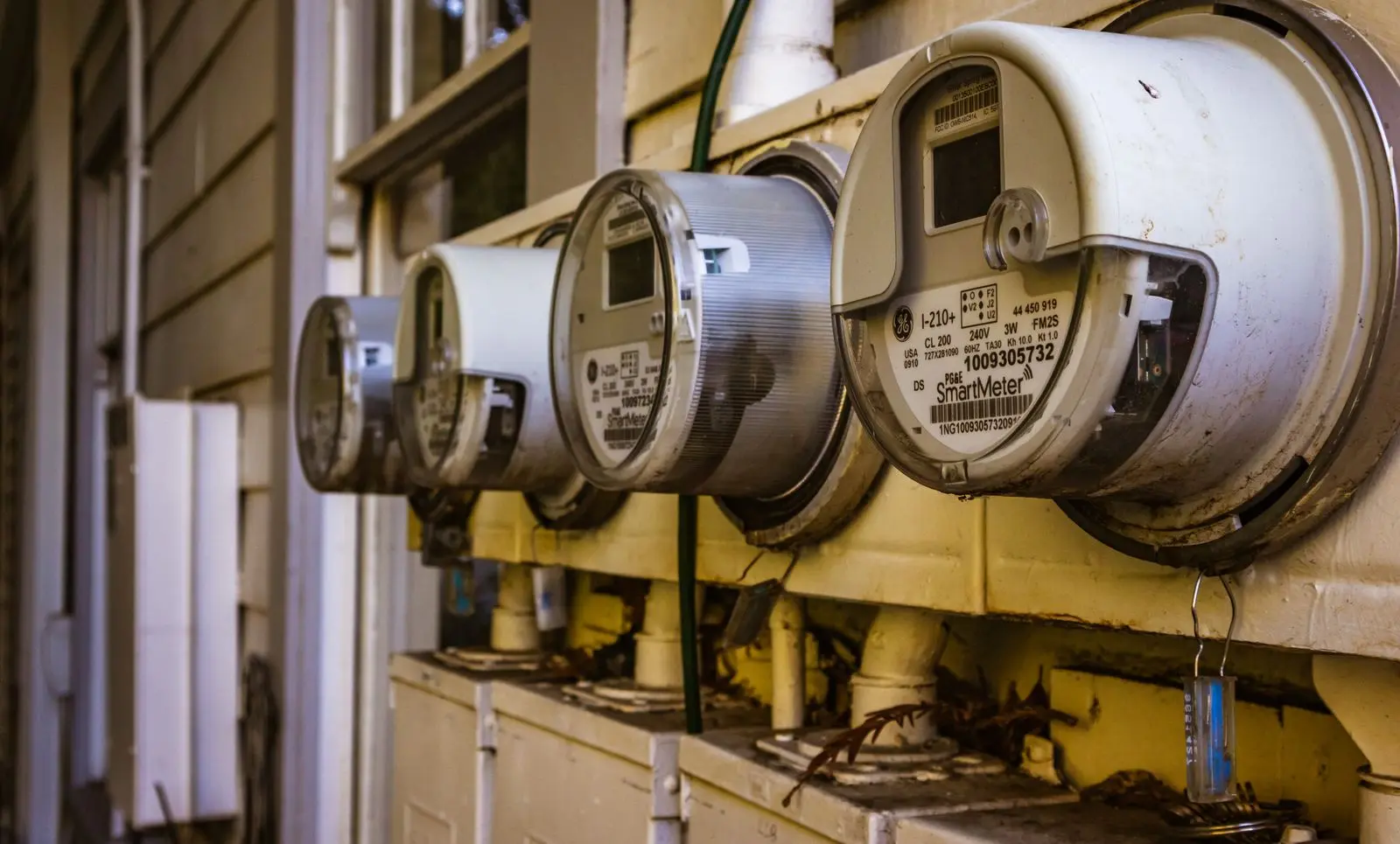
Net metering
Under classic net metering, every kWh you export offsets a kWh you import later, at the full retail price. The grid works like a free battery. Summer surplus pays for winter shortfall.
Net billing
Under net billing, exports earn a lower rate, often 20–40% of retail. California and Illinois have moved new customers off full net metering. Idaho Power, Arizona’s utilities and Duke Energy in North Carolina credit exports well below retail.
Under net billing the power you use yourself is worth far more than the power you export. A typical home uses 30–50% of its solar as it is produced. Batteries, electric cars and running the dishwasher at noon all raise that share.
What to do
Look up your utility’s current solar or "customer generation" tariff before you compare quotes, and ask each installer which export rate its savings estimate assumes. Then run both scenarios in the planner: it shows payback under each.
Watch: the best short video on this step
More in solar videos and resources.
Checklist for this step
- I know whether my utility offers net metering or net billing
- I know the export credit rate (¢/kWh)
- I asked each installer which export rate their savings assume