How big a system you need, and why the installer may say bigger
The right size comes from two numbers you already have: your yearly electricity use and the sunshine where you live.
The formula
System size (kW) = yearly use (kWh) ÷ yearly output per kW where you live. The average American home uses about 10,400 kWh a year (EIA, 2024). One kW of panels makes about 1,150 kWh a year in Seattle, 1,440 in the median U.S. city and 1,840 in El Paso. So a typical home needs roughly 6 to 9 kW, or 14 to 22 panels.
Your bill shows your usage in kWh. Add up twelve months, or use the panels calculator.
Should you cover 100%?
Quotes usually aim to make 100% of your yearly use, called 100% "offset". Under full net metering that is sensible. Under net billing the last 20–30% of panels are the least valuable, because most of what they make is exported cheaply. Compare 70%, 100% and 120% in the planner and watch payback move.
Why quotes come in bigger
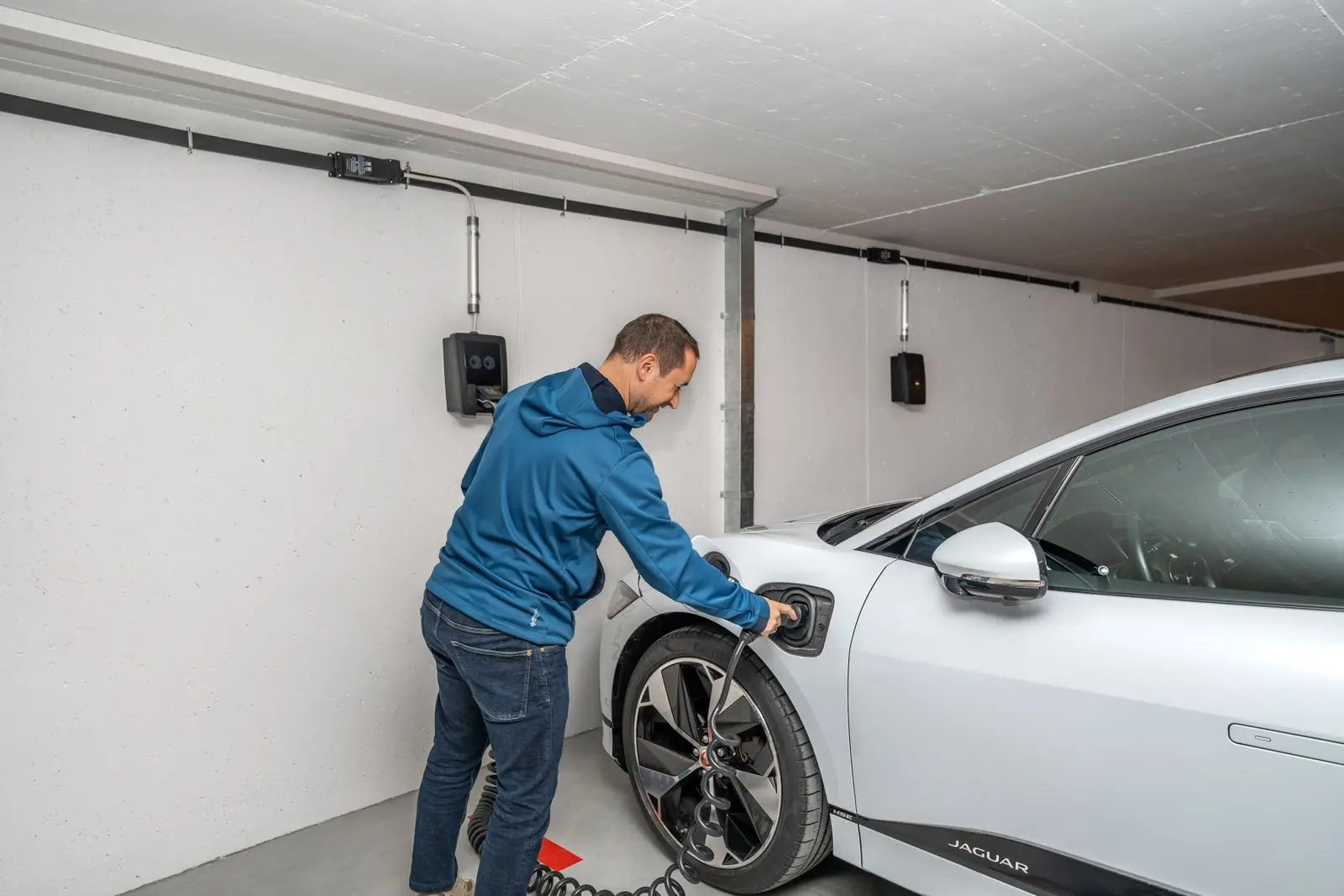
Installers size up for three honest reasons: an electric car, a heat pump, or a household that will grow. And for one less honest reason: a bigger system is a bigger sale. If a quote is more than 120% of your use, ask which reason applies.
Checklist for this step
- I have added up 12 months of kWh from my bills
- I have decided whether to plan for an EV or heat pump
- I know the system size (kW) that covers 70%, 100% and 120% of my use