Your roof: direction, shade, age and the space that really counts
Half of a roof is often unusable once fire-code setbacks, vents and the north side are taken away. Here is how to judge yours from the ground.
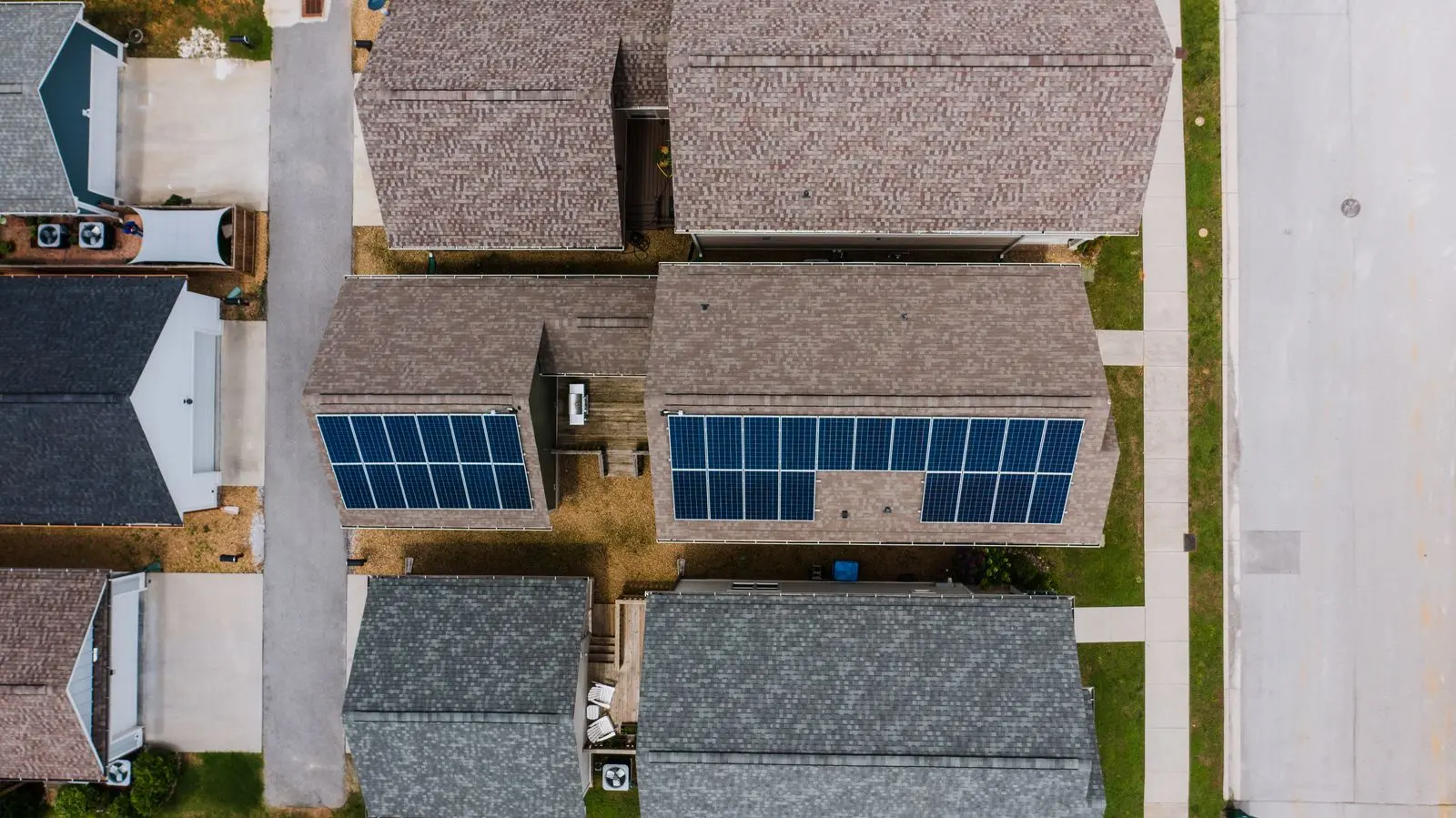
Direction and tilt
Direction matters more than tilt. Most roofs are pitched between 4/12 (18°) and 8/12 (34°), and within that range output barely changes. Panels are almost always mounted flat against the roof; paying extra for tilted racks on a pitched roof rarely makes sense. See the best angle for your city.
Setbacks shrink the roof
Fire codes in most places require clear paths so firefighters can walk the roof: typically about 18 inches along edges and 36 inches below the ridge. On a small or complicated roof that removes a lot of space. Vents, chimneys, skylights and dormers take more.
Replace an old roof first
Panels last 25 years or more. If your roof has less than about ten years of life left, replace it before you install solar. Removing and re-installing panels later costs thousands of dollars. Asphalt shingles typically last 20–30 years, so a roof installed before about 2005 deserves a hard look.
Your electrical panel
Solar connects to your main electrical panel. Older 100-amp panels often cannot take a large system without an upgrade, because the electrical code limits how much solar a panel can accept (the "120% rule"). Ask every installer whether an upgrade is needed and whether it is in the price.
HOAs and permits
Many states have solar access laws that stop homeowner associations banning panels outright, though HOAs can still set reasonable rules. Your installer handles the building permit; ask who pulls it and who pays if the inspection fails.
Watch: the best short video on this step
More in solar videos and resources.
Checklist for this step
- I know my roof’s age and condition
- I know which roof faces get midday sun
- I have asked whether my electrical panel needs an upgrade
- I have checked my HOA rules (if any)